Twenty specialist agents, two human sign-offs
The AI can propose. Only a person can release.
A marketing-campaign platform where AI drafts the strategy and the outreach, but an expert and then the client approve before anything moves — and a crashed run picks up where it stopped.
What they needed
A platform that produces marketing strategies and runs lead outreach at scale. The AI never publishes or contacts anyone on its own, and an interrupted run loses no work.
What I built
A strategy pipeline of twenty specialist agents that fan out, come back together, and stop at two gates: an expert reviews, then the client approves. A lead pipeline that qualifies leads by explicit rules (no AI guesswork on who to contact), enriches them and syncs with the CRM. It listens to LinkedIn outreach events and drafts replies that a human approves before sending. Every run keeps a decision trace and a cost line per agent.
What changed
The client has a system where approvals are enforced in code, runs are resumable, and every model call has a price tag. (This engagement is ongoing; no outcome figures are claimed.)
More work
All case studies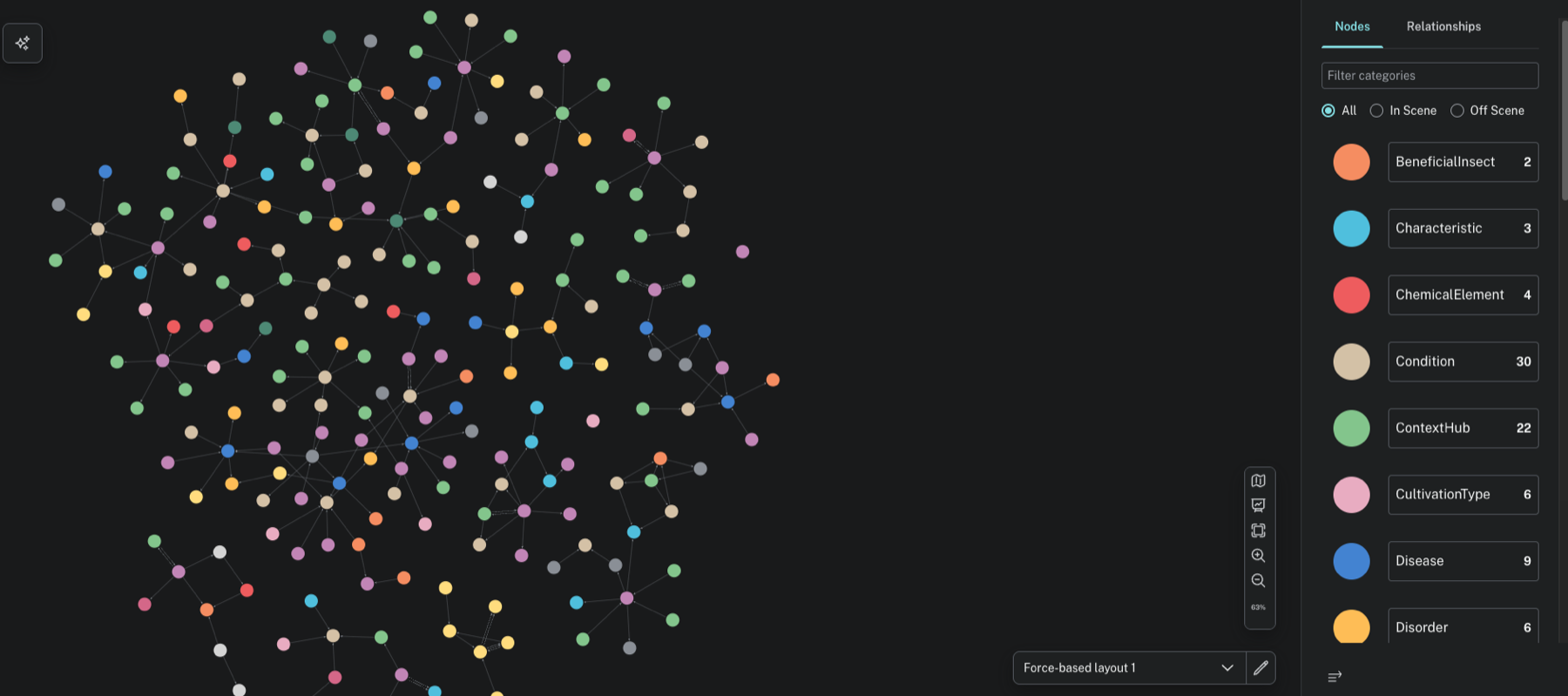
Consulting AI inside a farming enterprise's app
The company's agronomy know-how — guidelines, past reports, consultants' calls — answers farmers' questions with citations and drafts the consultants' reports for them.
Live in production · pilot expanding to all farms from May 2026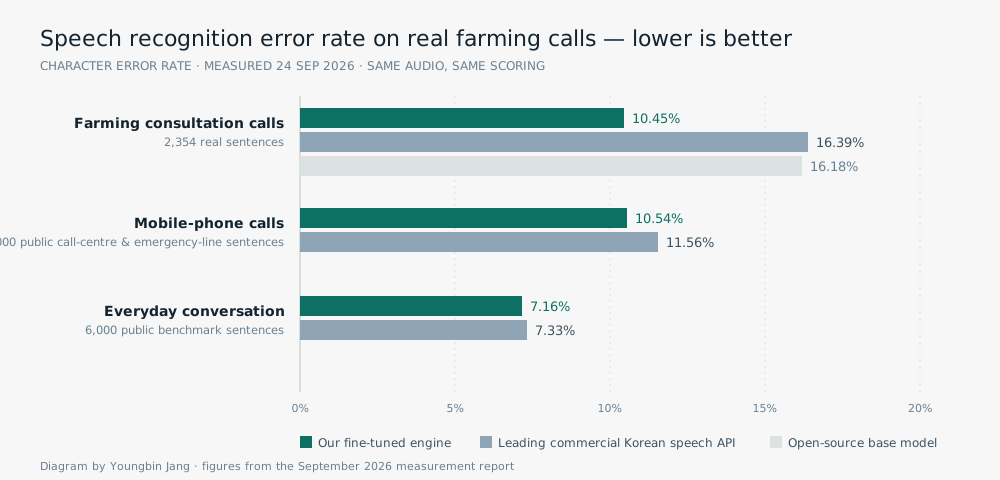
Speech recognition that beats the commercial API on real farm calls
Consultants' phone calls become farming diaries and consulting reports. On real farming calls our fine-tuned engine makes 10.45% character errors; the leading commercial Korean speech API makes 16.39%.
10.45% error on real farming calls vs 16.39% for the leading commercial API