Consulting AI inside a farming enterprise's app
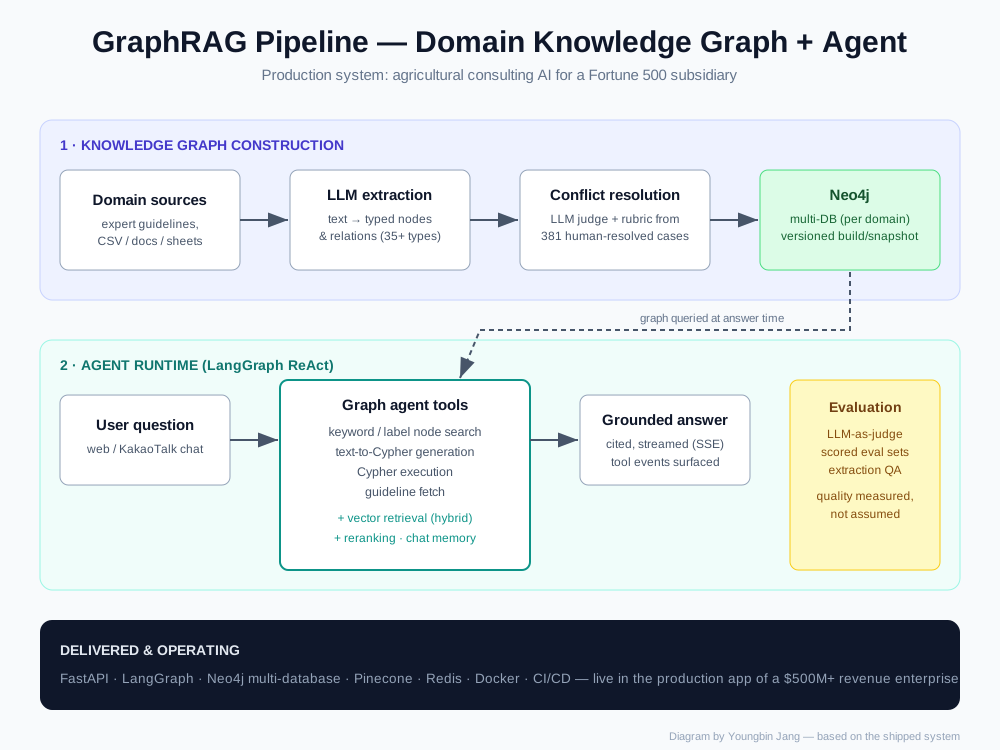
Every sentence the AI writes points to where it came from. If it cannot, the sentence is dropped.
The company's agronomy know-how — guidelines, past reports, consultants' calls — answers farmers' questions with citations and drafts the consultants' reports for them.
What they needed
A large agricultural company runs a consulting service for farms. Its best knowledge lived in expert guidelines, years of consulting reports and the consultants’ own phone calls. None of it was reachable at the moment a farmer or a junior consultant needed it. Writing up a consultation took as long as the visit itself.
What I built
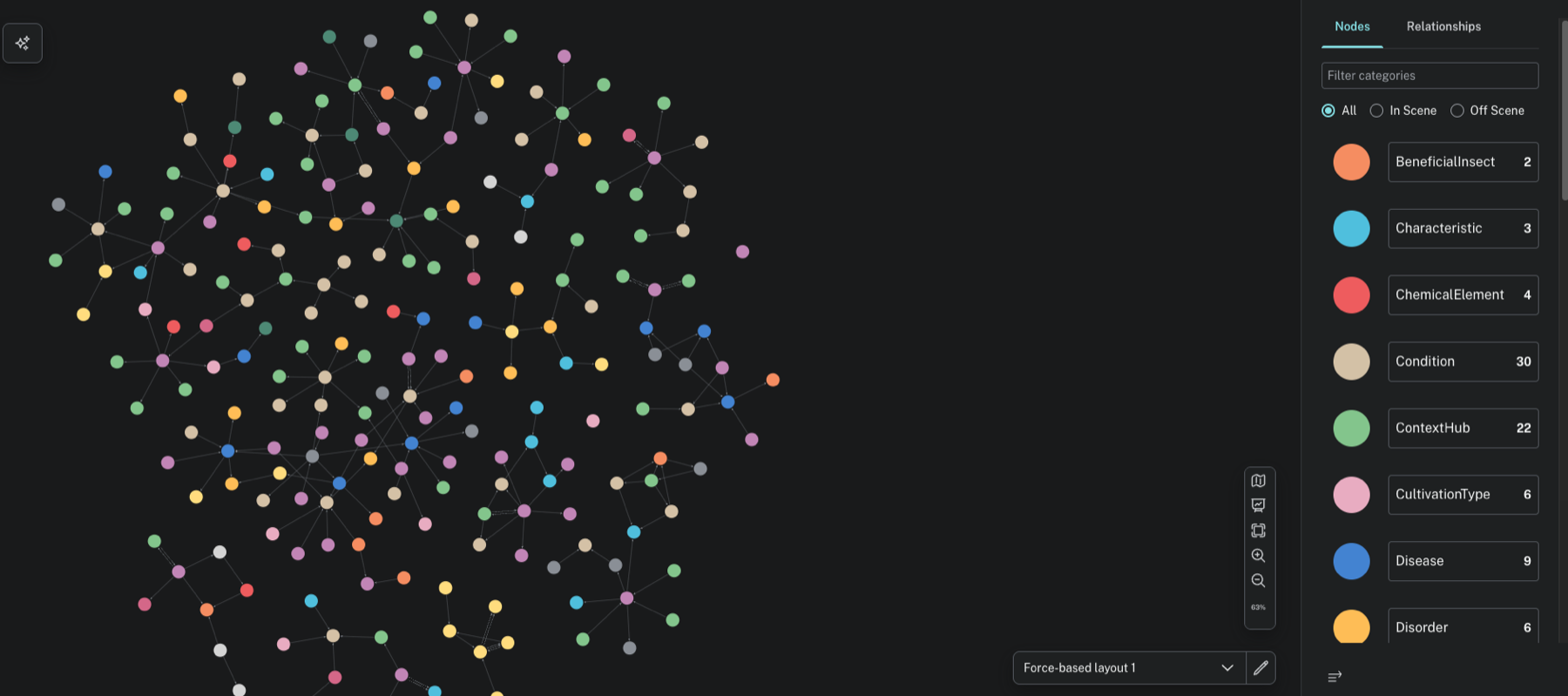
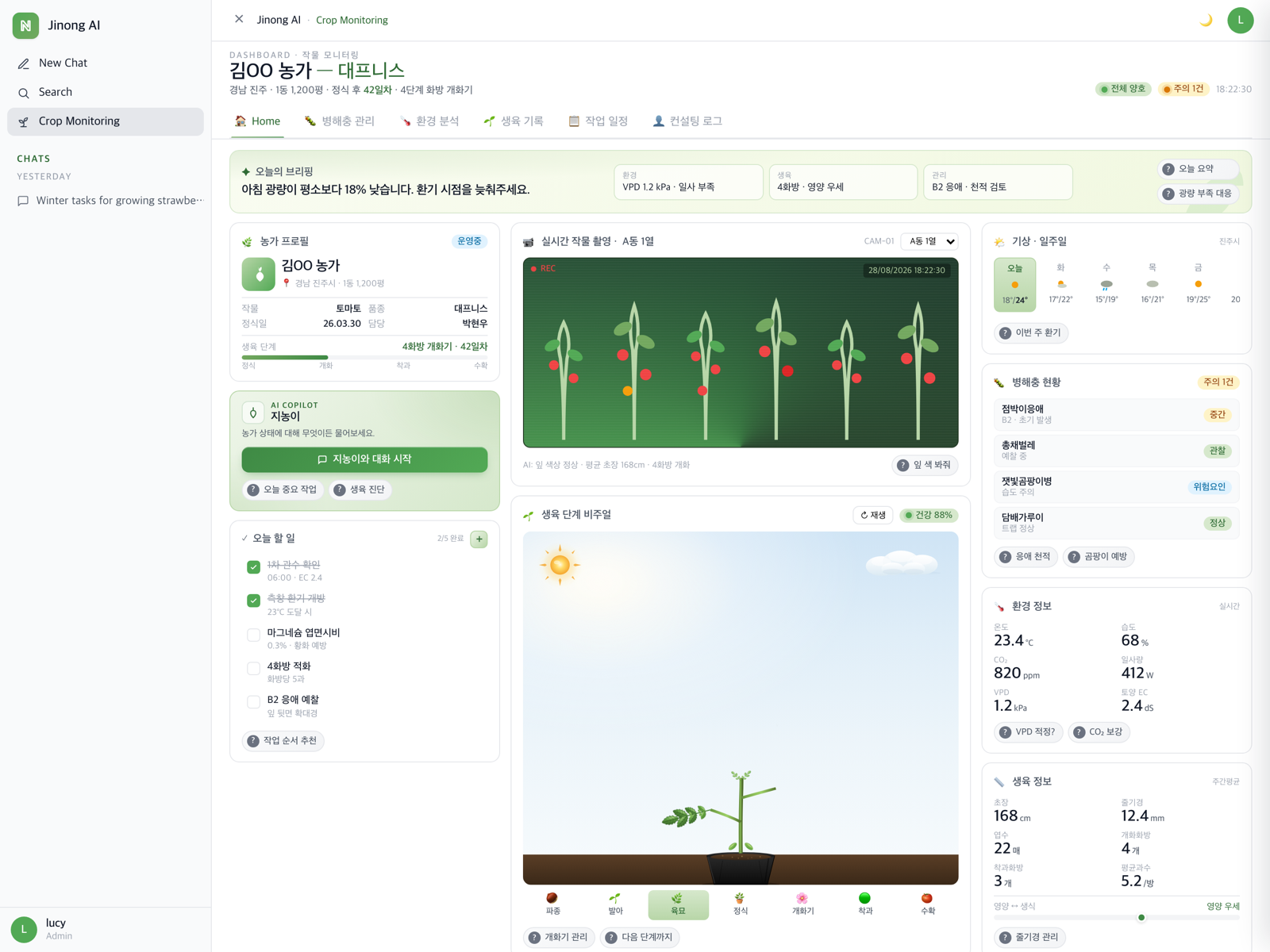
Three things that share one brain. A knowledge graph of the company’s agronomy know-how, built from their documents with quality control by their own experts. An assistant in the app (web and KakaoTalk) that answers with citations and refuses when the source is not there. And a report copilot that turns a recorded consultation into a per-topic report, then exports it to PDF. Every bullet points to the sentence in the call it came from.
What changed
The assistant and the report copilot run inside the production app. The pilot is expanding to all farms from May 2026. The company’s team can extend the graph after handover, because the method, not just the result, was delivered.
More work
All case studies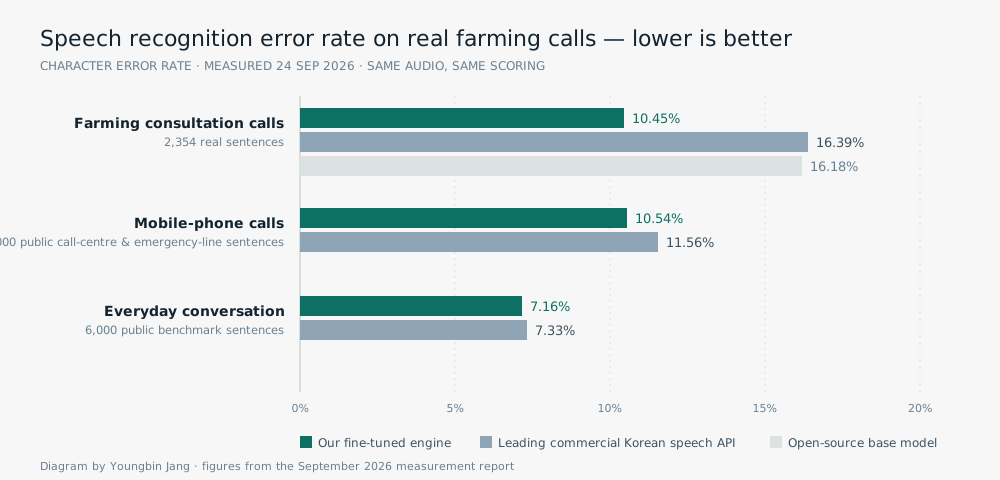
Speech recognition that beats the commercial API on real farm calls
Consultants' phone calls become farming diaries and consulting reports. On real farming calls our fine-tuned engine makes 10.45% character errors; the leading commercial Korean speech API makes 16.39%.
10.45% error on real farming calls vs 16.39% for the leading commercial API
Scoring a million learners' essays and speech
An English-test practice service needed instant, reliable scores for essays and spoken answers — at a scale no human grading or per-call vendor bill could support.
Nearly 1M users · supported a $5M+ raise